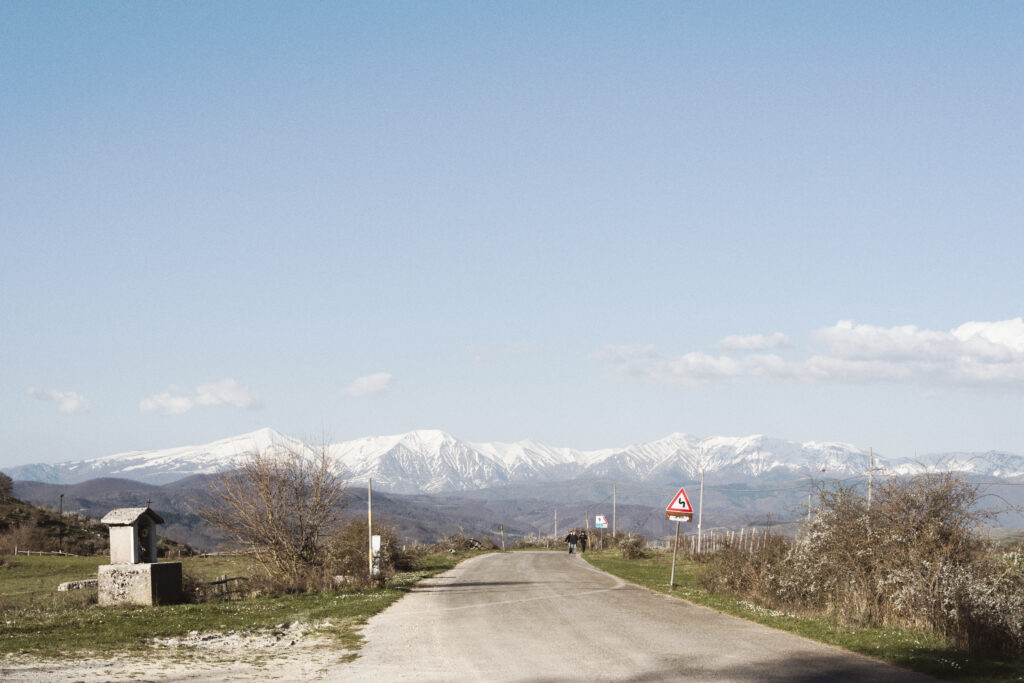
There is something strange in the way we move through a landscape: we never truly look at it, we reduce it to a mere distance to be erased. Traveling along the Via Salaria — the ancient Roman salt road that once connected Rome to the Adriatic — everything that grows along its edges goes unnoticed, reduced to a fleeting, irrelevant presence. And yet it is there, stubborn and silent, that the land tells its story most honestly. The Road Is a Garden begins from this point: the road becomes a pretext for moving through and observing the transformations taking place along its route.
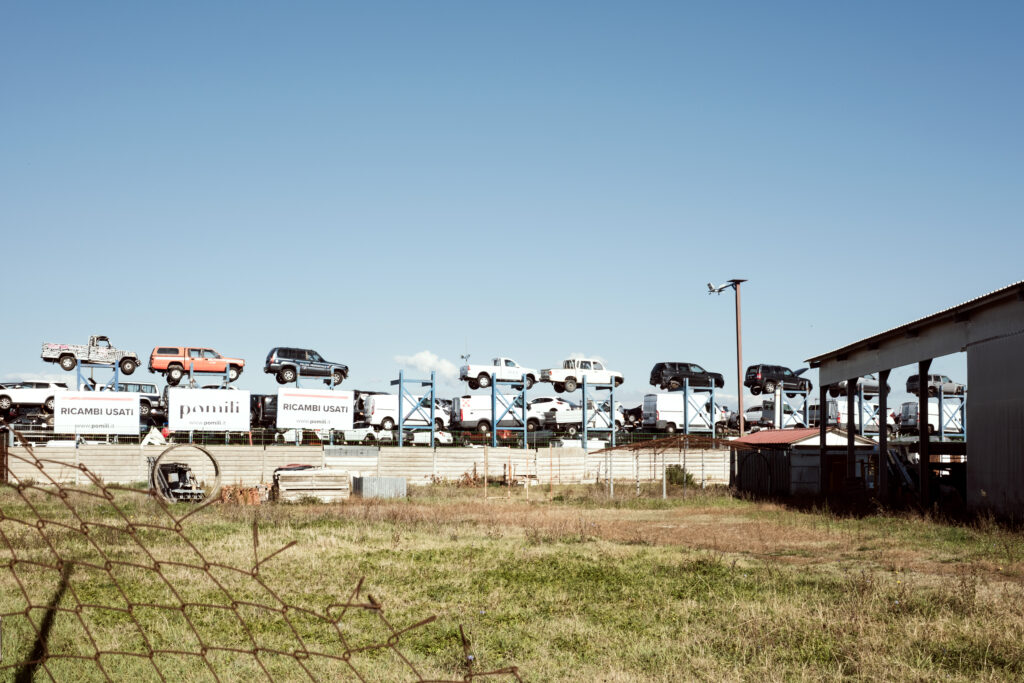
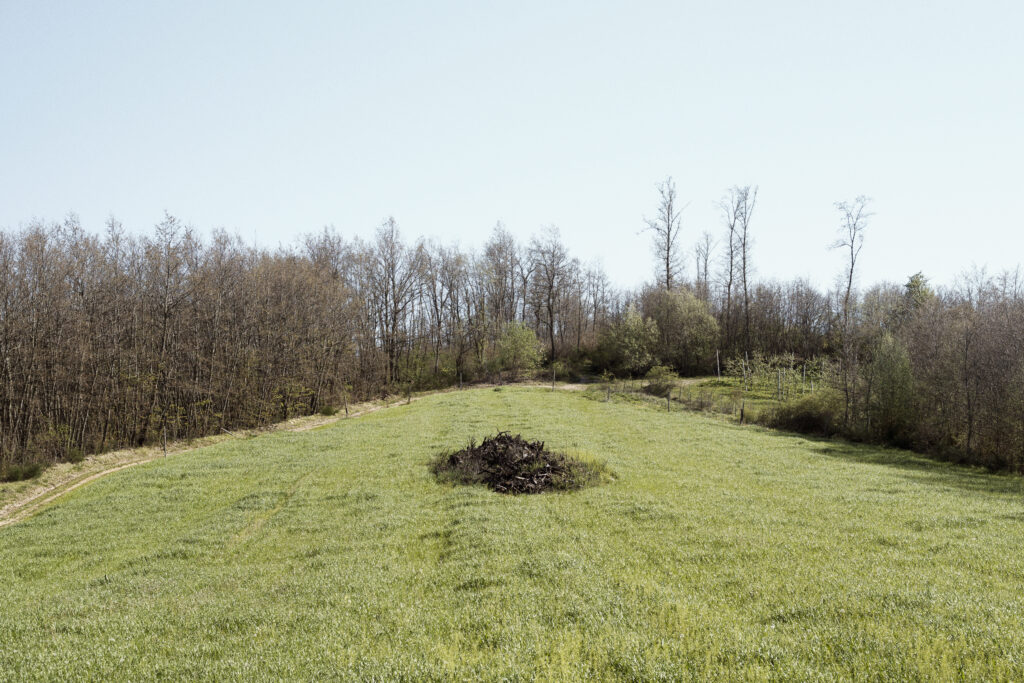
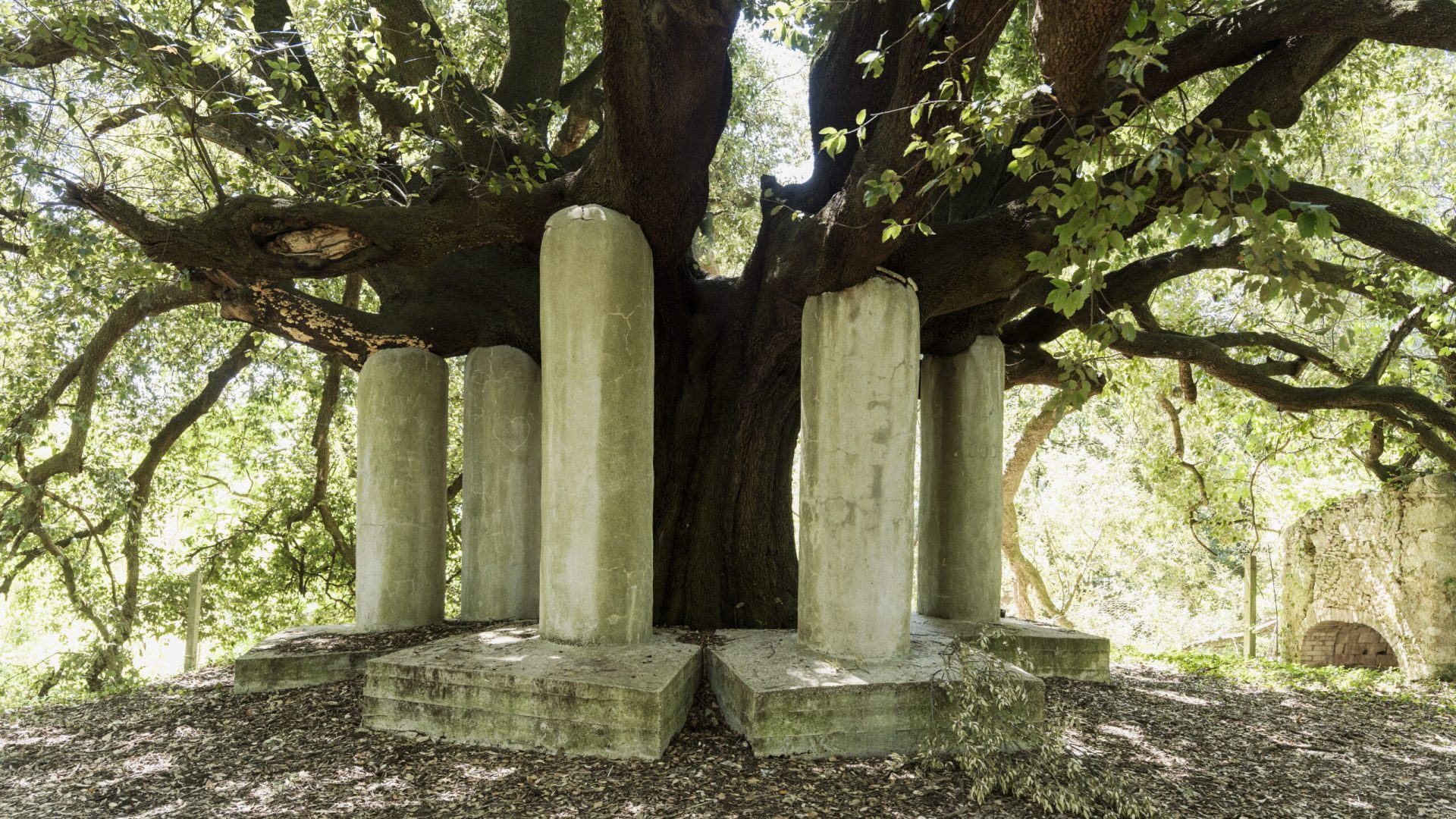
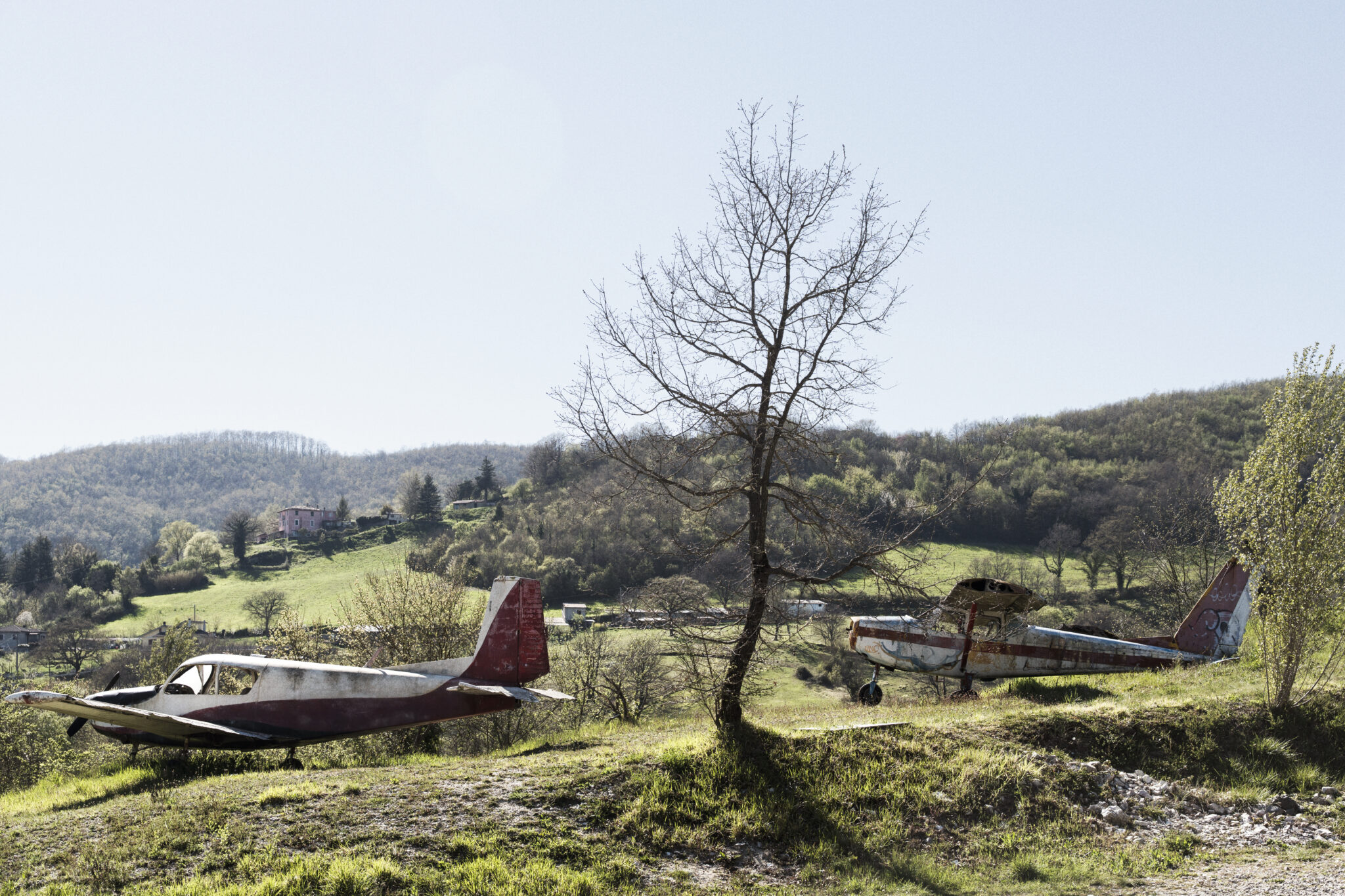
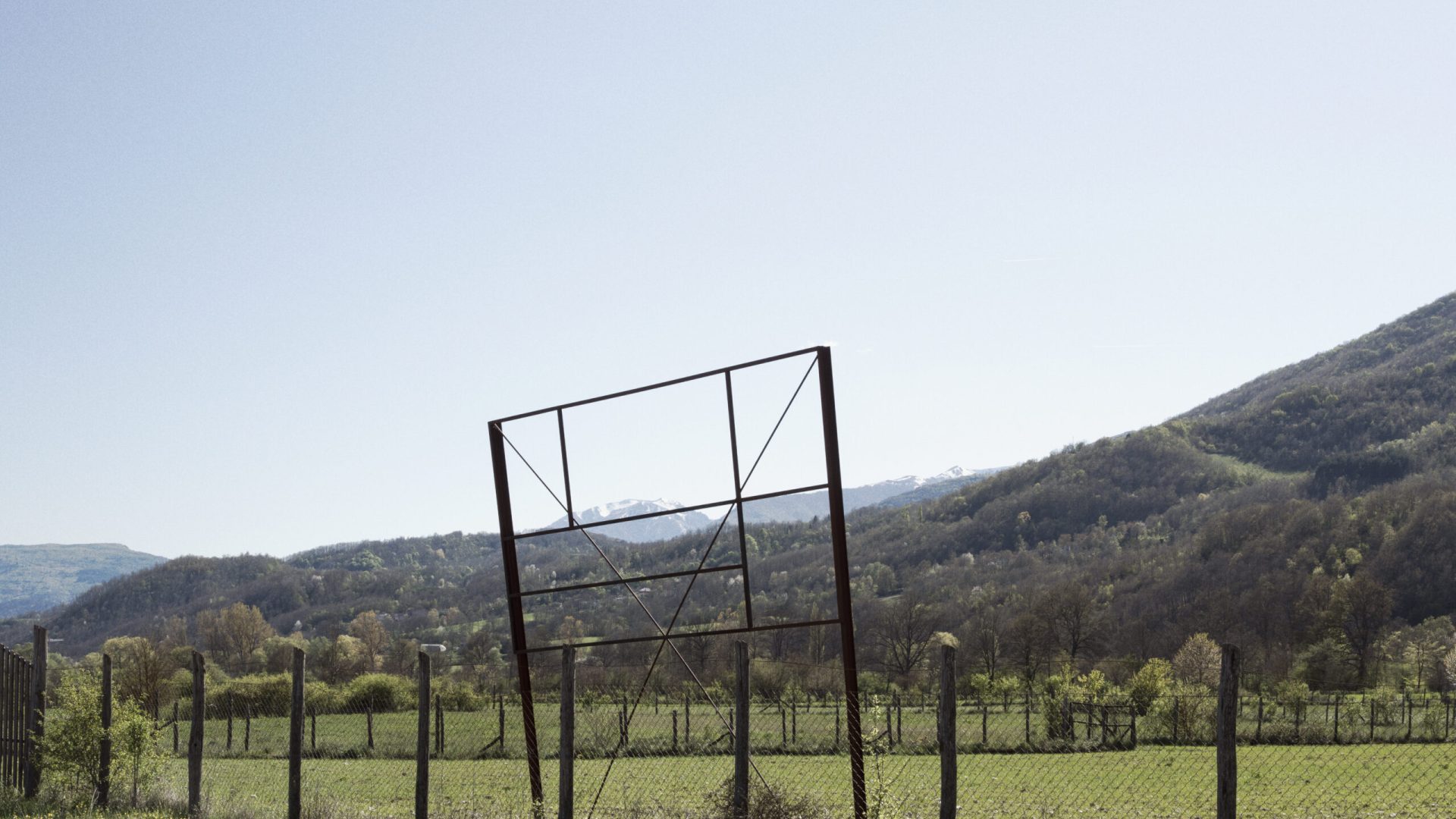
The project focuses on the edges, on those spaces Gilles Clément calls the “Third Landscape”: the leftover spaces where planning stops and nature reclaims territory without asking permission. These are the places where human action falls away, and precisely because of that, they begin to speak. Here, absence is not emptiness but stratification: what remains once activity halts keeps changing even when no one is watching.
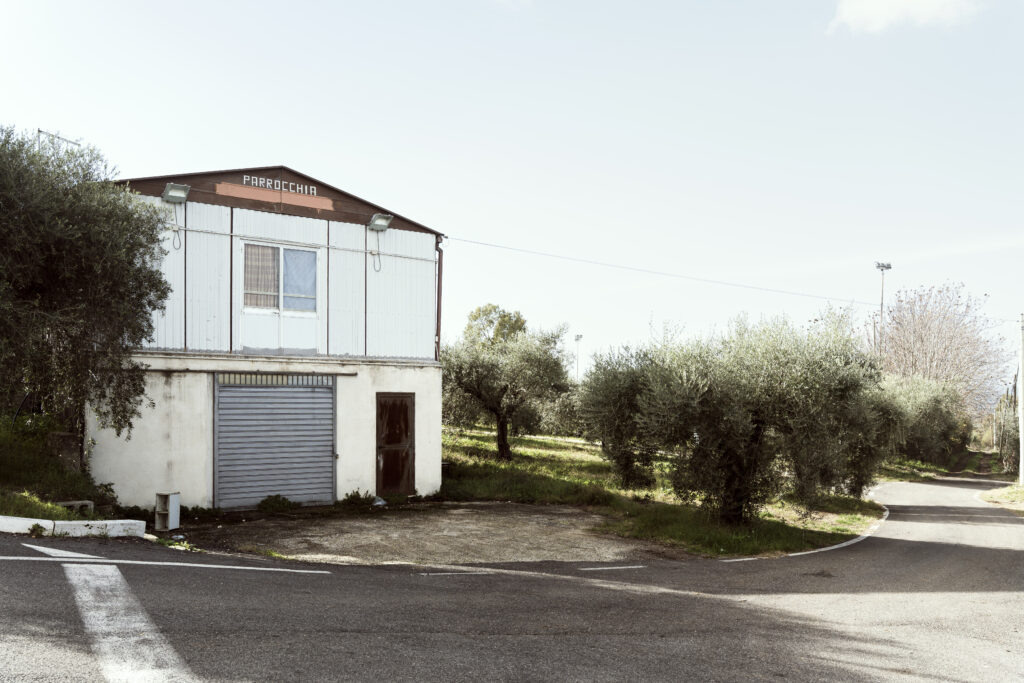
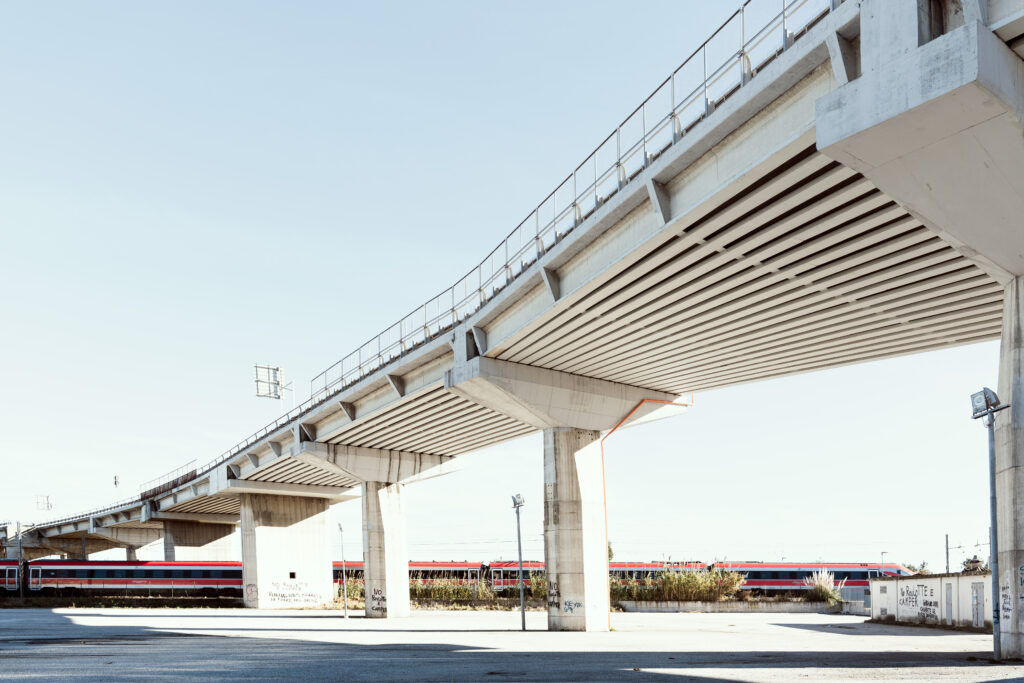
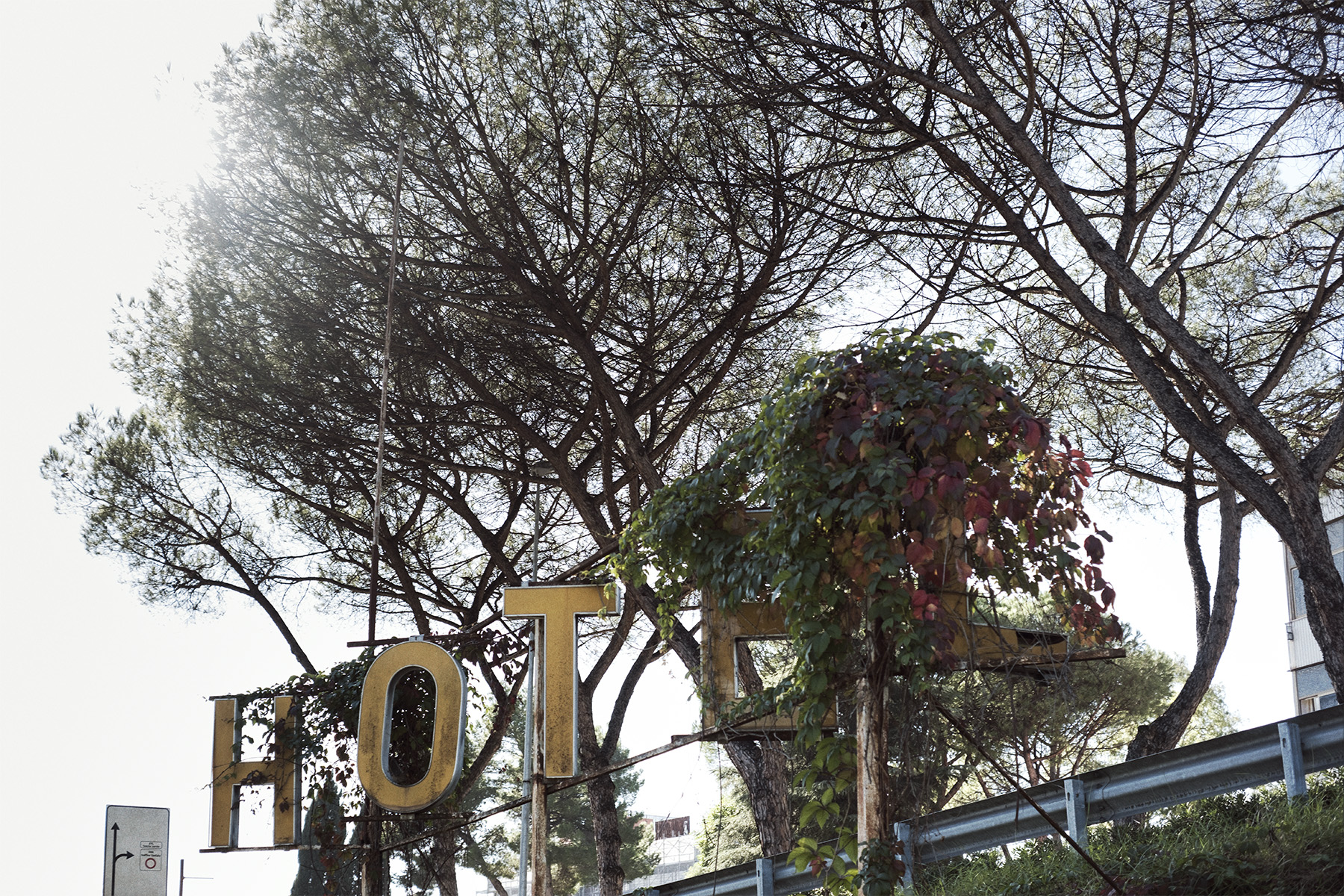
The project unfolds as a reflection on the evolution of contemporary urban architecture and the processes that shape the city’s transformation. In particular, “Catch Them All” addresses the dynamics of urban expansion and the fate of numerous buildings in Rome, structures that are increasingly abandoned or marginalized, highlighting the tension between preservation, consumption, and the obsolescence of urban space.
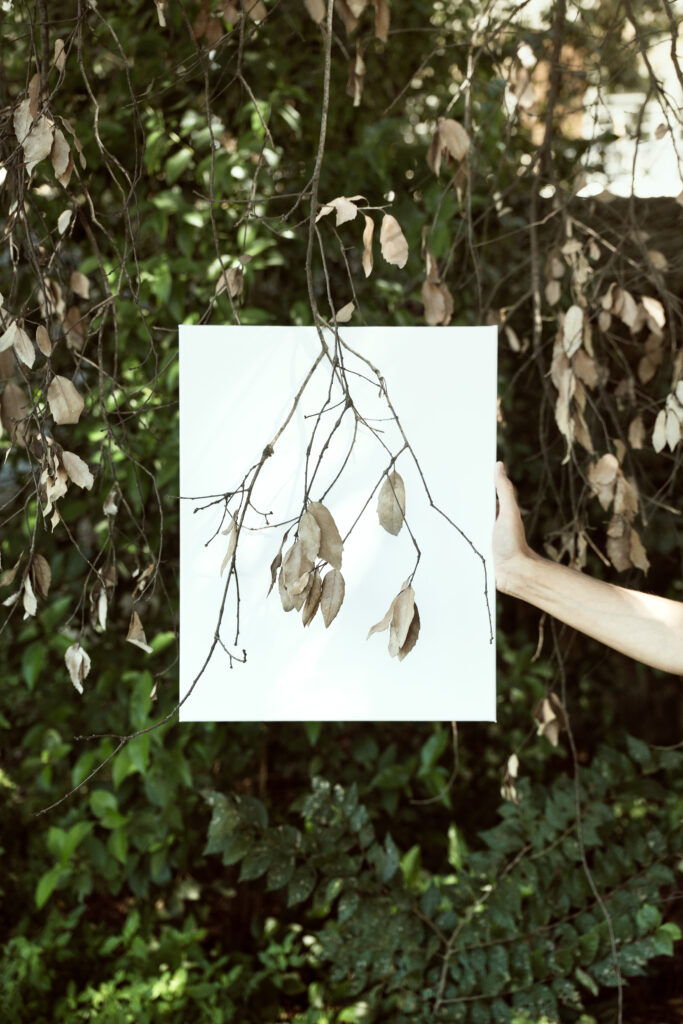
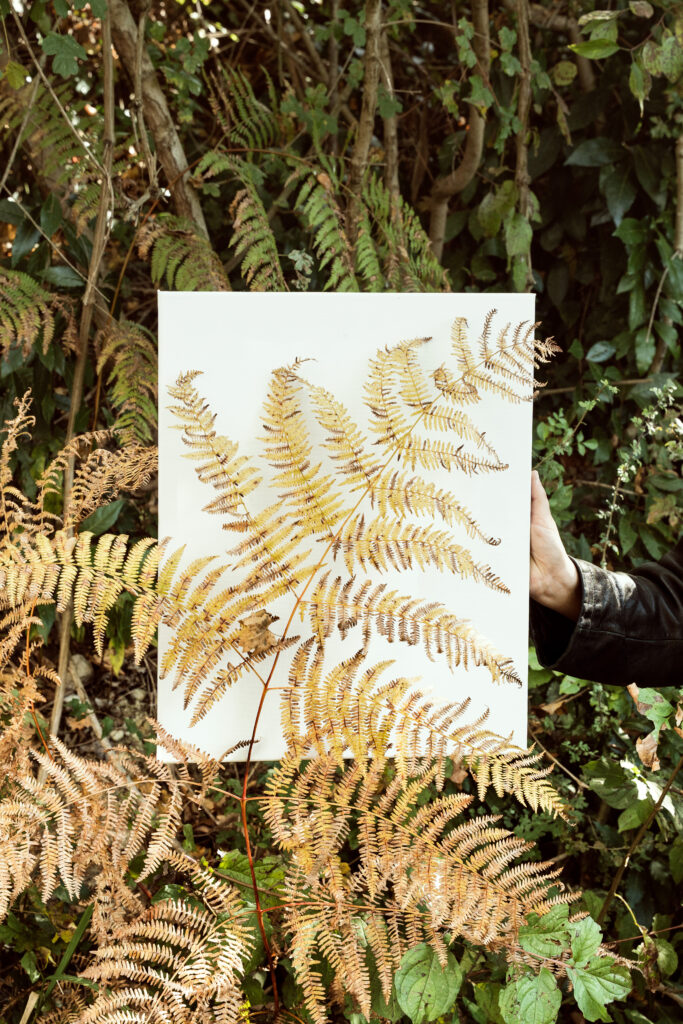
Change, however, does not move at a single speed. The road evolves together with the people who have traveled it, but it is not the only thing in motion. Plants change with the seasons, transforming the colors and shapes of the landscape, but they also change through actual physical movement. Carried by wind, by the passage of animals, and above all by human traffic along the road, seeds travel and colonize new spaces, acting like migrant beings that redraw their own geography. That garden, in the end, was planted by the road itself: the plants did not reclaim the Salaria, they moved up it little by little, traveling along it just as salt once did and goods do today, carried by the same vehicles. It is a garden in motion that no one planted and no one tends, born as a side effect of infrastructure built for an entirely different purpose.
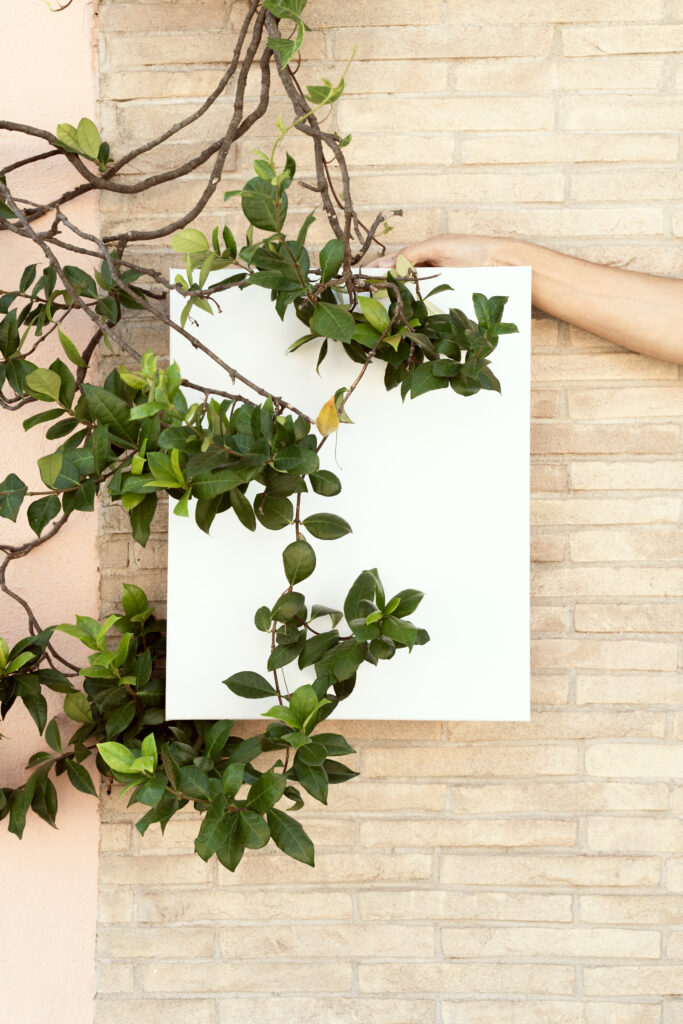
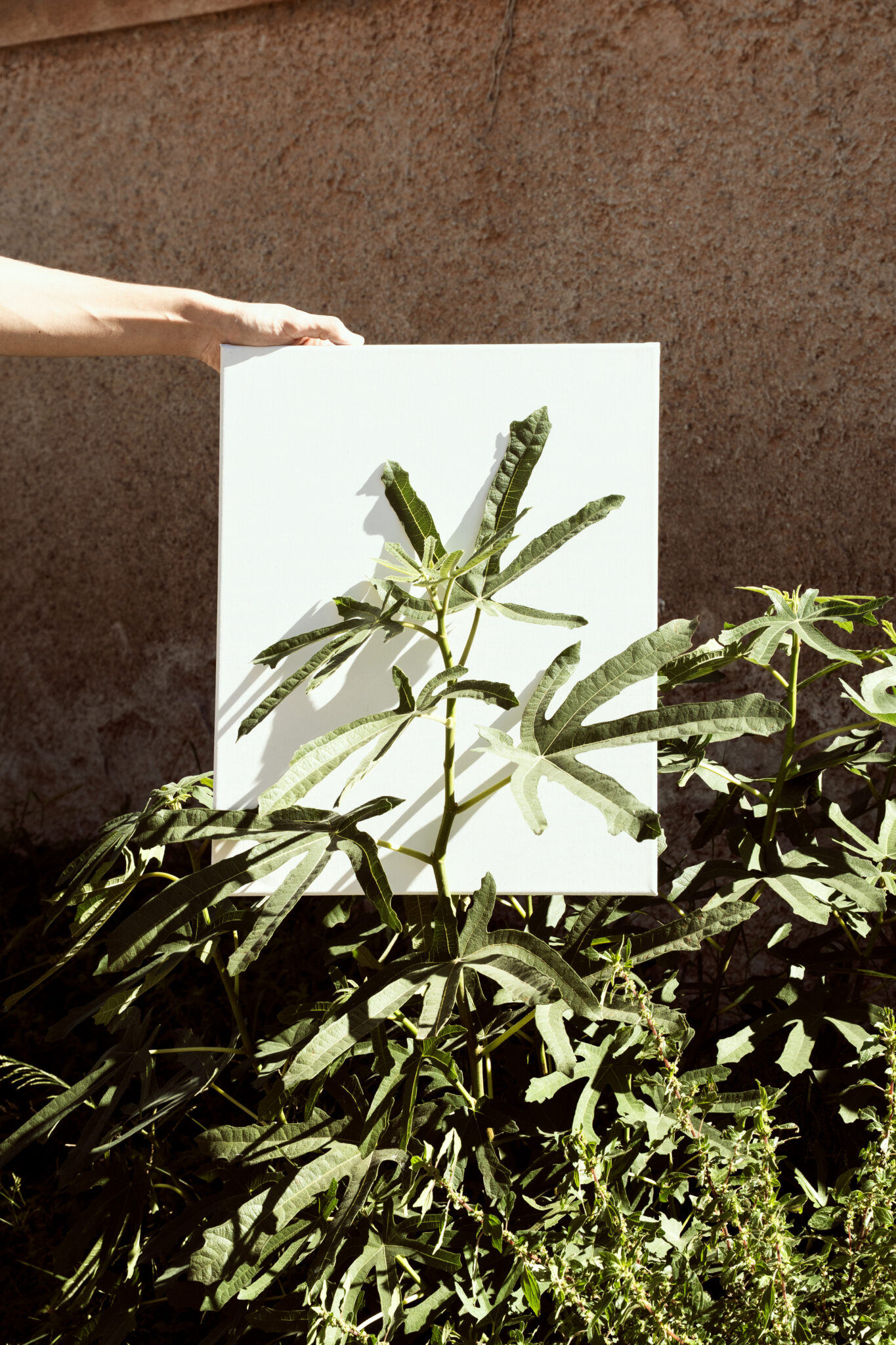
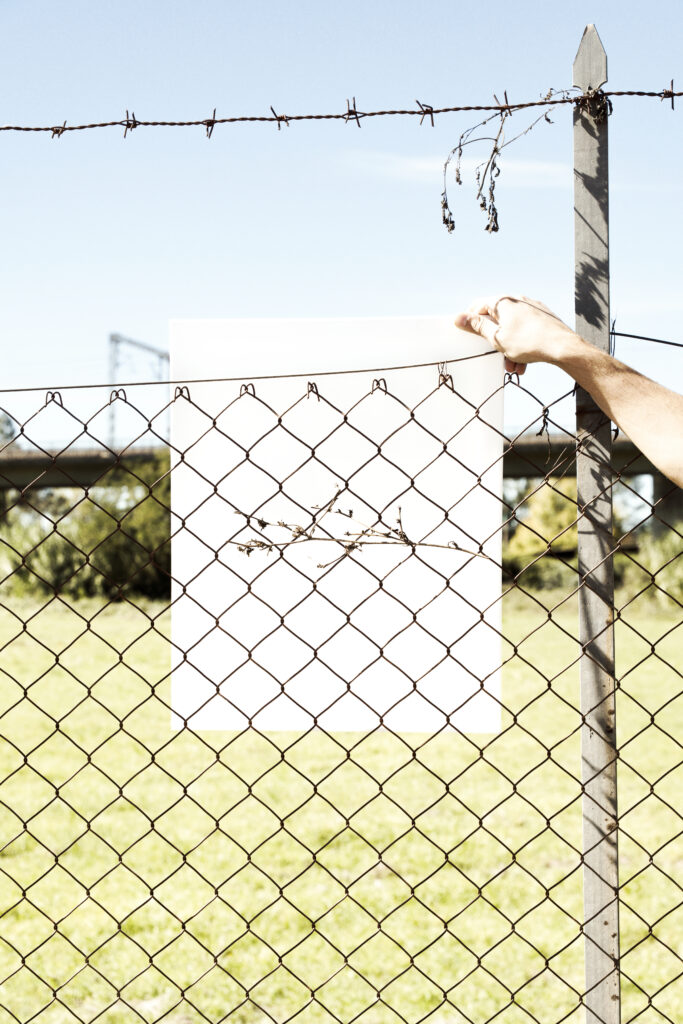
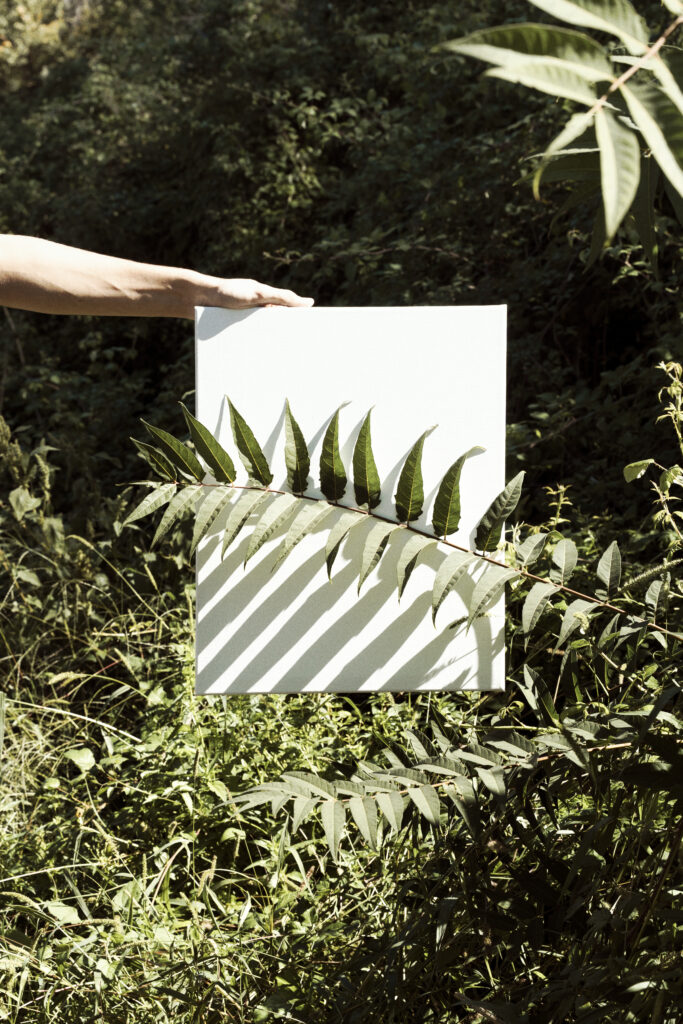
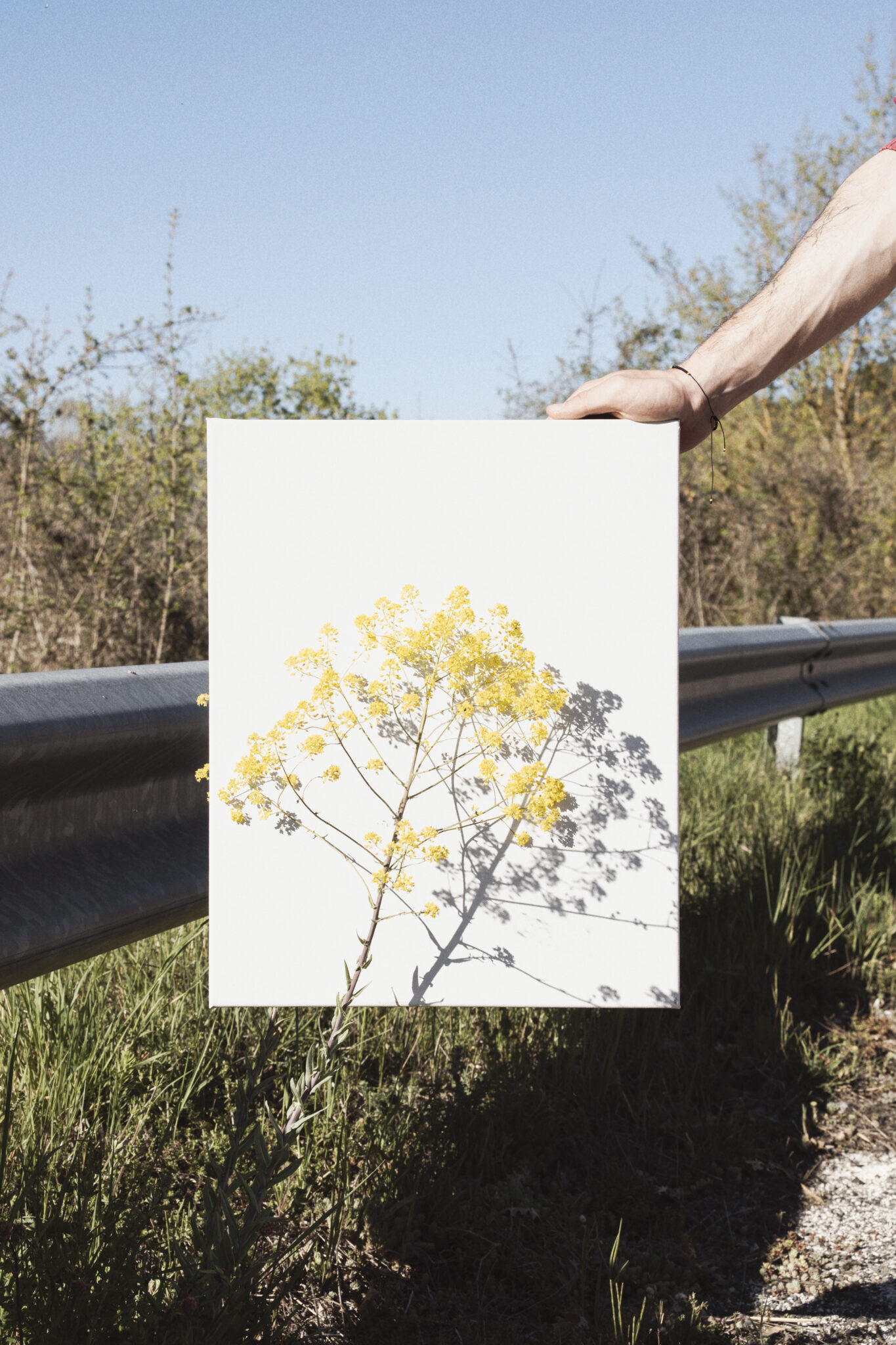
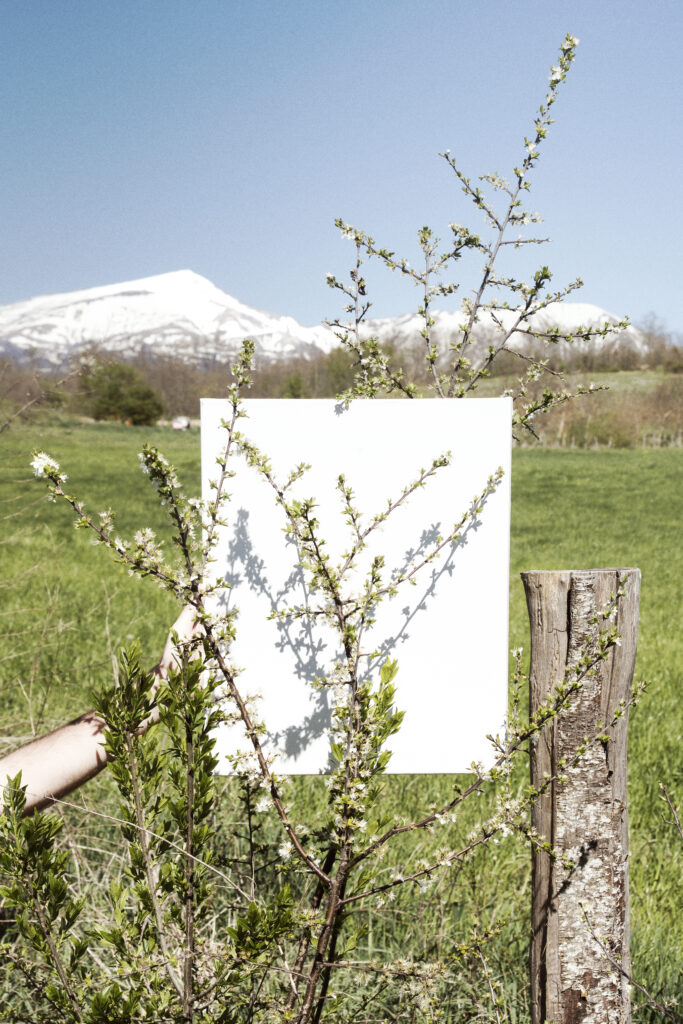
To capture this evolution, the project focuses on portraits of vegetation, using them as a tool to read the rhythm of the land: from the “urban” species that spring up in the cracks of sidewalks to those introduced to beautify cities, from the plants of cultivated countryside to the woodland flora climbing toward the peaks, to the exotic species of the coast.
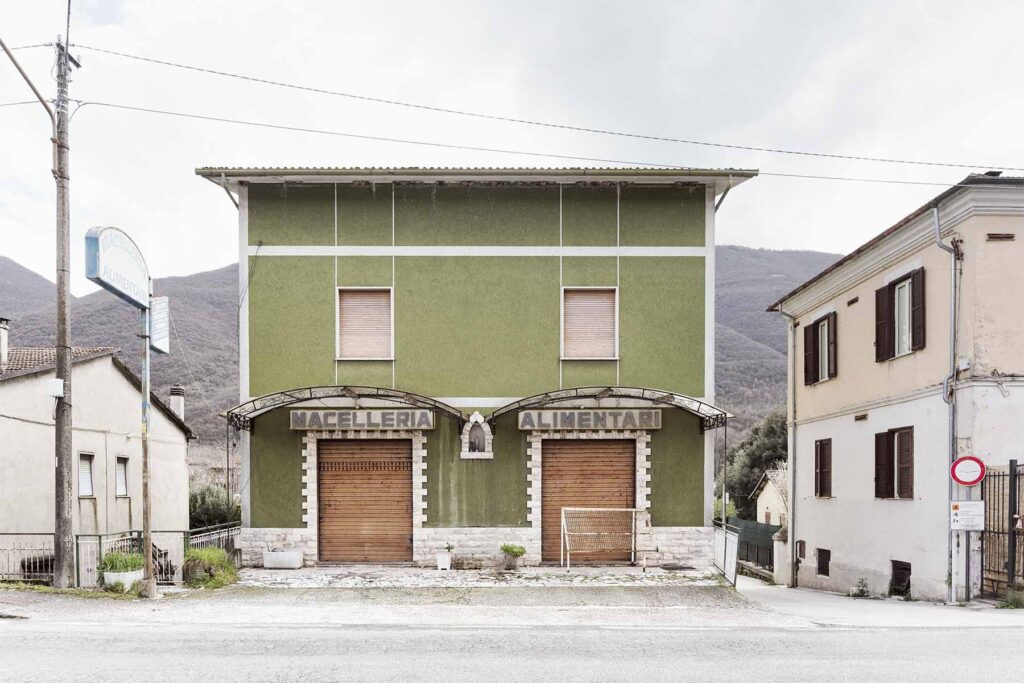
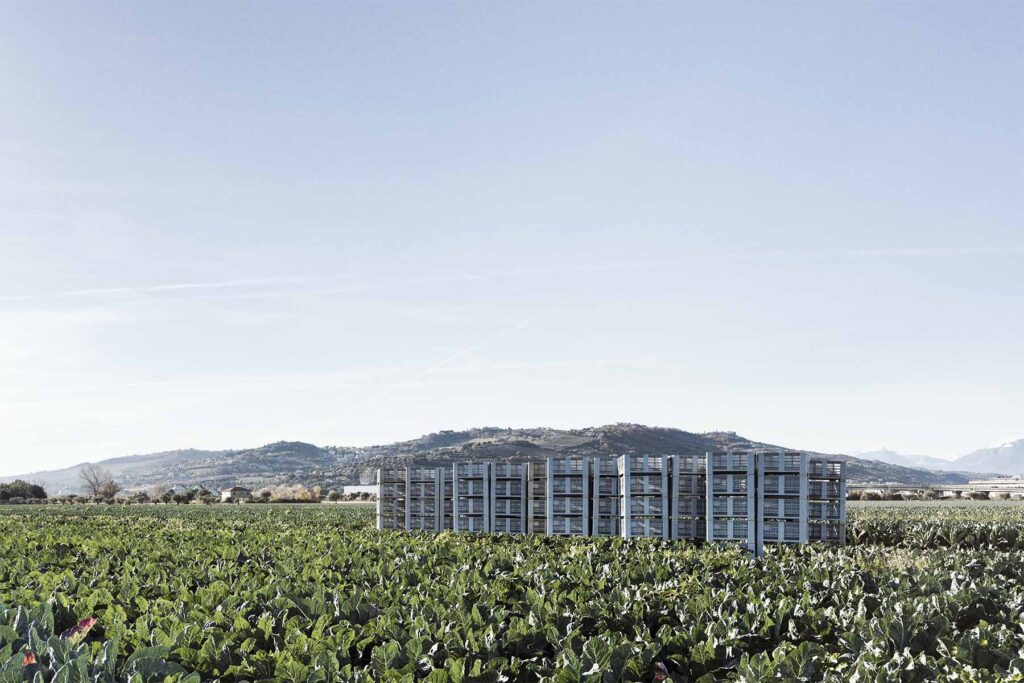
Alongside nature, change also emerges in the concrete way different eras coexist in the same space without hierarchy. Along the Via Salaria one keeps encountering unusual sights: ancient Roman bridges just steps from enormous modern factories tucked into the woods, or seasonal markets suddenly appearing at the edge of the roadway.
To travel this road is to observe a territory in constant transformation, where every visible trace is part of a single, dynamic system linking city, nature, and history.